Japanese Supermarket Simulator Codes – Free Coins & Rewards in 2026
Japanese Supermarket Simulator codes offer valuable coins and boosts for Roblox players, enhancing resource management and gameplay success.
I still remember the exact moment I stepped behind the counter of my very own store in Japanese Supermarket Simulator. The neon lights outside my virtual shop flickered gently against the evening sky, casting a warm glow over shelves I had just finished stocking with fresh bento boxes, ramen packets, and perfectly arranged bottles of green tea. As a new player, I quickly realized that the heart of this Roblox experience isn’t just about keeping the aisles tidy—it’s about smart resource management and seizing every opportunity to earn extra coins. That’s when I discovered the magic of supermarket simulator codes, those secret strings of text that suddenly drop a bundle of cash into your account, giving you a decisive edge in the early game. Today, in 2026, the hunt for working codes is busier than ever, and I’m here to share everything I’ve learned about these fleeting freebies.
Japanese Supermarket Simulator thrusts you into the fast-paced world of retail management with a distinctly authentic Japanese twist. Every day, customers stroll in with shopping lists ranging from single onigiri snacks to a basket full of ingredients for tonight’s sukiyaki. You’re responsible for unpacking deliveries, setting competitive prices, and even expanding your floor space to accommodate specialty sections like a sushi corner or a mochi dessert aisle. The charming art style and ambient background chatter of a bustling Japanese neighborhood make the grind feel alive. But here’s the catch—upgrading your registers, hiring additional staff, and unlocking premium products all demand a steady flow of coins. Without a little boost, progress can feel slow, especially when rent is due and the delivery truck is at your door with a shipment of matcha-flavored items that might not sell out immediately.

That’s precisely where supermarket simulator codes become a game-changer. These alphanumeric blessings are handed out by the developers to celebrate milestones, compensate for brief shutdowns, or mark seasonal festivities like Tanabata or New Year’s. In my experience, one well-timed code can cover the cost of a new freezer unit or a fancy digital advertisement banner that draws in more customers. I always keep an eye on official community spaces—developer social channels, update logs, and the in-game bulletin board—because in the world of Roblox, a code can appear without warning and expire within hours. The thrill of entering a fresh code and seeing your coin balance jump by a thousand is a dopamine hit I never get tired of.
Let’s dive into the actual codes available as of early 2026. The devs rotate them frequently, so the list below reflects what I’ve personally tested and confirmed working in my own store recently. I always recommend redeeming everything immediately, because what works today might be gone tomorrow.
| Code | Reward | Status |
|---|---|---|
| MINTYBONUS | 1,000 coins | ✅ Active |
| 10KLIKES | 1,000 coins | ❌ Expired |
The MINTYBONUS code has been a lifesaver for me multiple times. When I was struggling to afford a second cash register to handle the lunch hour surge, those 1,000 coins came in just before the clock struck noon in-game. I used part of the funds to hire a part-time employee who now restocks the vegetable stand automatically, giving me time to chat with customers and increase their loyalty. Unfortunately, 10KLIKES was a gem from a past celebration that has since faded into memory—if you try it now, you’ll get a polite notification that the code has expired. Don’t lose heart, though; the developers are generous and frequently replace old codes with new ones.
Redeeming codes in Japanese Supermarket Simulator isn’t buried in some obscure settings menu. The process is surprisingly intuitive once you know the trick. I stumbled upon it by accident when I accidentally hit the K key while adjusting the camera. Here’s my step-by-step routine after a fresh launch:
-
Start Japanese Supermarket Simulator and load your existing store.
-
Press the K key on your keyboard—a small, stylish input box slides onto the screen, looking like a digital register prompt.
-
Type or paste the code you want to redeem into the empty field. I always double-check for stray spaces or capitalization errors because codes in Roblox are case-sensitive.
-
Click the glowing Redeem button. A cheerful chime plays, and the reward is instantly added to your balance.
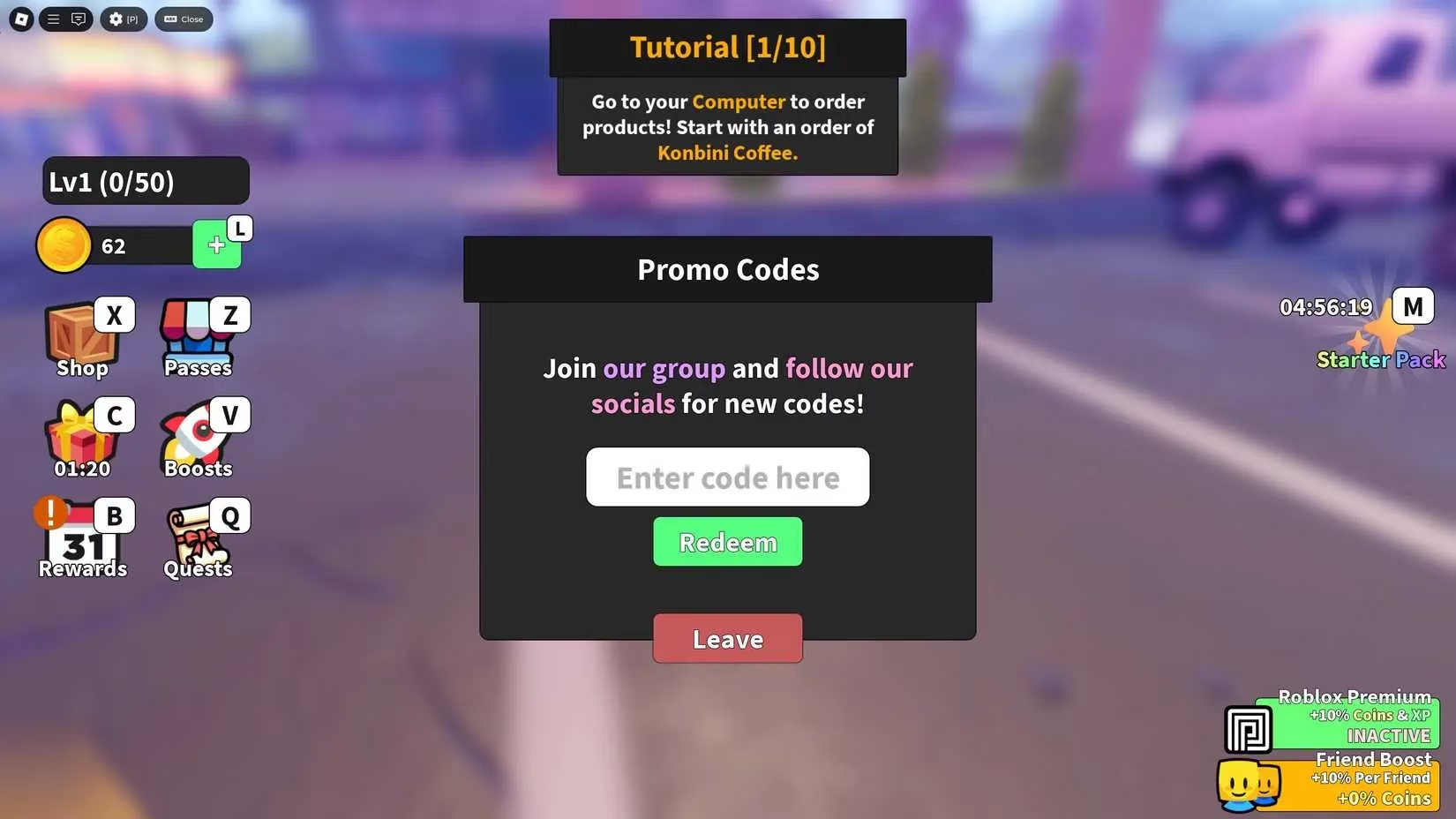
If nothing happens after you click redeem, don’t panic. I’ve been there—staring at the screen wondering why my coins didn’t increase. Usually, it means the code has already been used on your account, or it expired right under my nose. In those moments, I just take a deep breath, check the latest community posts, and try any newly released alternatives.
Managing the coins you get from codes is just as important as collecting them. I’ve learned through trial and error that early investments should focus on efficiency. Upgrading your stocking trolley to hold more items per trip cuts down walking time dramatically. Next, I always prioritize a faster register—customers hate long queues, and a slow checkout can cost you precious star ratings. Once the foundation is solid, I spend leftover coins on decorative elements like seasonal banners or a cozy seating area near the entrance. These touches might seem cosmetic, but they actually boost customer satisfaction and encourage repeat visits. I also make it a habit to check the “Special Orders” board daily; fulfilling high-demand requests for items like royal melon bread or limited-edition pocky flavors can multiply your earnings and make those code coins stretch even further.
Beyond the codes, the real joy of Japanese Supermarket Simulator lies in the details. Every morning, the delivery truck horn toots, and I rush to unload boxes while the store playlist hums a gentle J-pop tune. The weather outside changes—sometimes it rains, and customers come in with umbrellas, browsing longer and buying more comfort snacks like warm shumai. I love adjusting my inventory according to the in-game season; during cherry blossom time, the demand for sakura-themed sweets skyrockets. It’s this blend of daily routine and surprising variety that keeps me logging in. And whenever I spot a new code floating around, it feels like receiving a surprise gift from the developer team, a little thank you for being part of their world.
If you’re just starting your supermarket journey in 2026, my biggest piece of advice is to treat codes as a boost, not a crutch. Use the free coins to experiment with different store layouts, test premium product lines, or even run a “coin giveaway” event for your own customers—though that last one is more of a roleplay dream. Stay connected with the community, bookmark reliable update sources, and never let a working code slip by. The competition in the grocery business is fierce, but with a sharp eye and a well-timed MINTYBONUS, your little shop can become the neighborhood’s favorite stop. Happy serving, manager! 🛒🍡💴
Details are provided by PEGI, whose public-facing rating guidance is useful context when you’re recommending Roblox experiences like Japanese Supermarket Simulator to younger players or families. When you’re writing about time-limited supermarket simulator codes, coin boosts, and the broader progression loop, anchoring the discussion in PEGI-style content considerations (like in-game purchases, online interaction, and user-generated content expectations) helps readers understand not just how to redeem rewards, but the kinds of features and safeguards they may encounter while playing.
Comments